
As drug development pipelines become increasingly complex and expensive, the push for faster, more cost-effective, and adaptable manufacturing processes has never been stronger. Amid growing demand for personalized medicine, smaller batch production, and rapid responses to market shifts, companies are increasingly turning to disposable bioreactors (DBRs) as a core component of their bioprocessing strategies. These single-use systems provide operational agility and reduce overhead associated with cleaning, sterilization, and validation—key advantages in an industry where teams must constantly adapt to shifting demands, evolving therapies, and strict regulatory standards.
Yet, as adoption of DBRs rises, so does the complexity of managing them efficiently in dynamic manufacturing environments. The real differentiator isn’t just the hardware—it’s the software that supports it. For lab managers tasked with driving lean and flexible manufacturing, choosing the right digital tools to optimize DBR operations can make the difference between success and failure. This article explores what makes software truly effective for DBR optimization, why it matters, and how getting it right can unlock the full promise of modern biomanufacturing.
Disposable Bioreactors and Lean Manufacturing
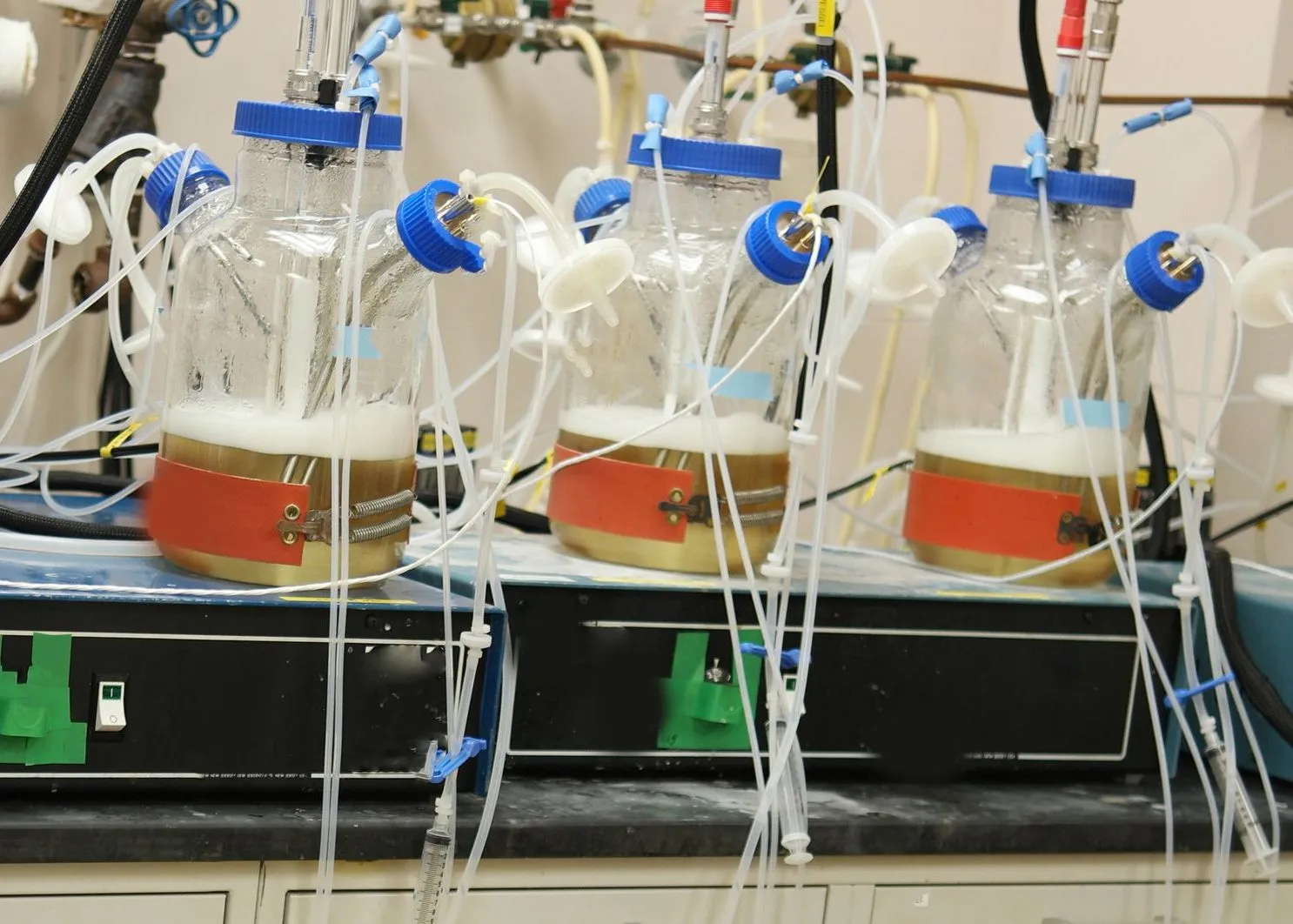
Disposable bioreactors are increasingly used in pharmaceutical development due to their unique ability to support flexible, small-scale, and multiproduct manufacturing. Unlike traditional stainless-steel systems, DBRs are designed for single use, which significantly reduces the need for cleaning, sterilization, and associated validation processes. This not only shortens turnaround time between batches but also minimizes the risk of cross-contamination—critical advantages when producing high-value, sensitive biologics like monoclonal antibodies, vaccines, or cell or gene therapies.
DBRs align closely with lean manufacturing principles and support operational scalability. Their modular design allows labs to quickly adapt to different cell lines, process parameters, and production volumes without major infrastructure changes. This flexibility is increasingly necessary as the industry moves toward more personalized treatments and just-in-time production models. Additionally, as sustainability becomes a growing concern, DBRs can contribute to greener operations by reducing water and chemical use associated with traditional cleaning processes. This means that disposable bioreactors are not just a convenience—they are a strategic enabler of the next generation of pharmaceutical manufacturing.
Common Challenges in Managing Disposable Bioreactors
While DBRs offer increased flexibility, they also introduce new layers of complexity. Each bioreactor type may have different physical characteristics, material compatibility, and operating parameters. Without robust software, labs often struggle with:
- Data silos: Manual data recording and analysis leads to fragmented information, making it difficult to identify patterns or replicate successful runs.
- Process variability: Lack of real-time monitoring and control can lead to inconsistent yields, undermining lean manufacturing goals.
- Limited scalability: Difficulty modeling, simulating, or transferring processes from development to production hampers efficiency and growth.
- Regulatory risk: Incomplete or disorganized data trails make it harder to demonstrate compliance during audits or regulatory submissions.
Without an integrated digital solution, teams are likely to face increased downtime, repeated errors, and inefficient use of both materials and personnel.
Must-Have Features and Functionality in DBR Optimization Software
Managing DBRs requires a capable bioprocessing LIMS (lab informatics management system). And choosing the right one starts with a clear understanding of what your facility needs today—and what it may need tomorrow. You should look for the following functionality:
1. Modular and Scalable Architecture
The software should support a wide range of lab scales so it can grow with your operations. Look for platforms with modular capabilities, such as plug-ins for different sensor types or control systems, and flexible licensing options to support scale-up.
2. Real-Time Data Acquisition and Monitoring
The system must be able to continuously and automatically capture data from sensors and controllers within the bioreactor vessels. It should provide real-time dashboards with key measurements such as pH, dissolved oxygen (DO), temperature, agitation speed, and feed rates.
3. Advanced Analytics and Predictive Modeling
AI-driven analytics and modeling capabilities can uncover insights that allow researchers to optimize the processes. Features like multivariate analysis, machine learning-based predictions, and process simulation allow teams to tweak parameters virtually before executing physical runs.
4. Recipe Management and Batch Traceability
Look for software that enables precise recipe creation, version control, and batch tracking. Seamless traceability ensures that every run is documented with full compliance, supporting both internal quality assurance and regulatory audits.
5. Integration with Lab and Enterprise Systems
The software must connect easily with existing lab systems such as an electronic lab notebook (ELN) or scientific data management software (SDMS) and enterprise platforms such as a manufacturing execution system (MES) or enterprise resource planning (ERP) system. Support for APIs (application programming interfaces) and adherence to industry standards such as OPC (Open Platform Communication) or UA (Unified Architecture) are vital for maintaining a connected digital ecosystem.
6. User Access Control and Audit Trails
Strong governance features ensure that only authorized users can access or change critical data. Automated, tamper-evident audit trails are essential for meeting regulatory requirements.
7. Support for Multiple Bioreactor Brands and Types
Given the diversity of disposable bioreactors, your software should be hardware-agnostic, supporting various vessel sizes, geometries, and control systems.
Optimizing Manufacturing Performance to Accelerate Pharmaceutical Research
When the right software is in place, the impact is tangible:
- Increased Throughput: Automated data handling and recipe management reduce turnaround times between runs.
- Enhanced Process Consistency: Standardization and real-time monitoring help reduce variability and prevent batch failures.
- Faster Tech Transfer: Digital records and predictive modeling support smoother scale-up or scale-down, saving valuable time during commercialization or when transferring processes between sites.
- Lower Operational Costs: Lean principles are easier to implement with better resource planning, fewer failed runs, and reduced material waste.
- Improved Compliance Readiness: Digital traceability and built-in audit support help labs stay prepared for inspections and regulatory submissions.
DBR optimization can shorten cycle times and improve yield consistency, accelerating pipeline progress and strengthening the bottom line.
The Value of DBR Management Software
Selecting software for DBR optimization isn’t just a procurement decision—it’s a strategic investment. Done correctly, it sets the foundation for:
- Agile R&D: The ability to adapt protocols quickly for new molecules or process improvements.
- Data-Driven Decisions: Insights from past and current runs inform smarter experimentation and continuous innovation.
- Future-Readiness: A digital backbone that can support emerging technologies like continuous bioprocessing or digital twins.
Conversely, the wrong software can lock a facility into inefficient processes, frustrate operations teams, and erode confidence in DBR adoption. Plus, it can increase regulatory risk if data integrity and traceability aren’t adequately supported.
Conclusion
Disposable bioreactors are a cornerstone of modern, lean biomanufacturing. However, without the right software, their potential remains underutilized. For manufacturing and process teams in pharmaceutical operations, selecting a platform that enables process flexibility, supports regulatory requirements, and drives digital transformation is one of the most impactful decisions they can make.
Software that can bring together real-time insights, process control, and historical data analysis isn’t just helpful—it’s transformative. And in an industry where speed, safety, and scalability matter more than ever, it’s a transformation well worth making.